


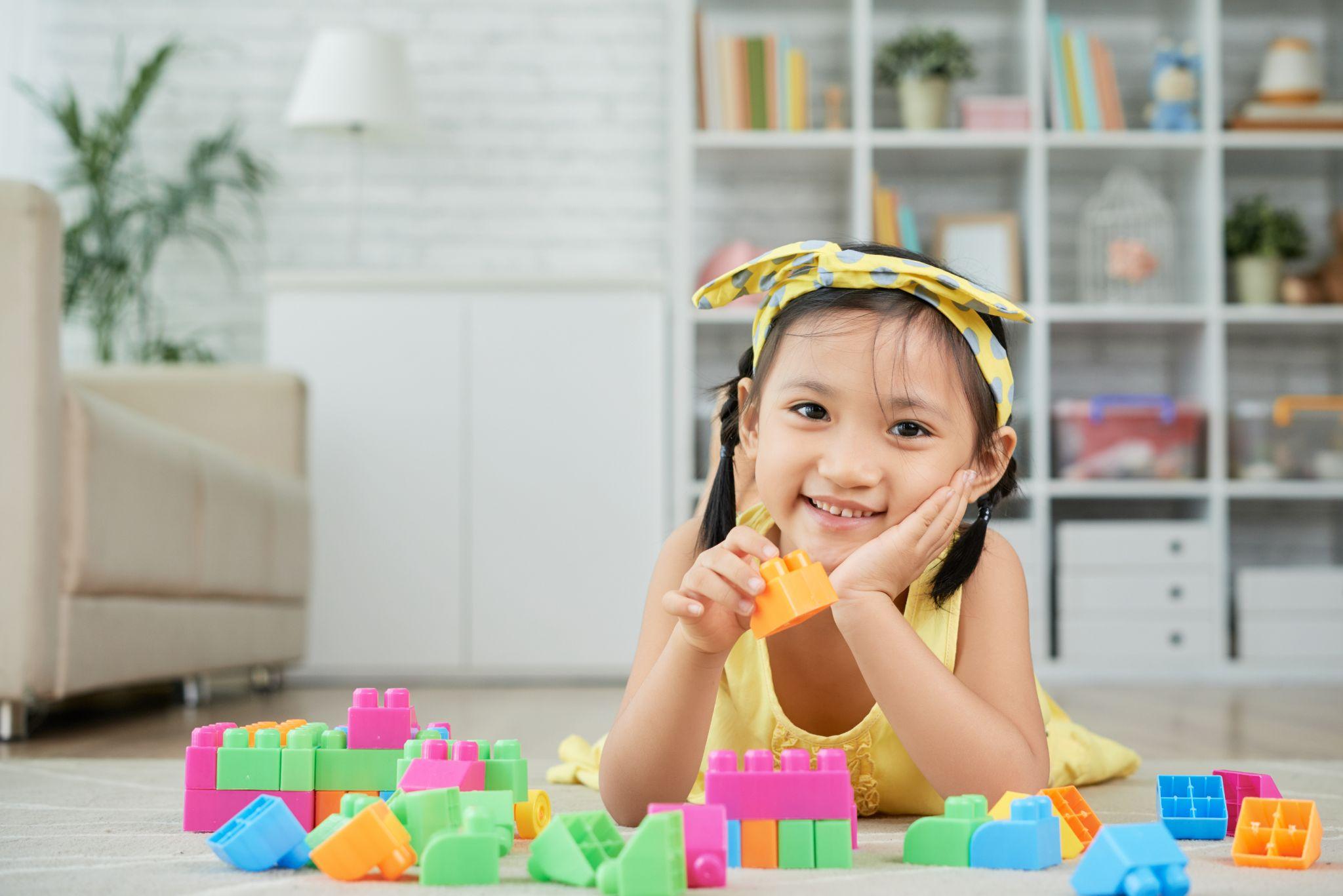
Toys scattered across the floor, missing puzzle pieces, and books piled in corners can quickly turn a playroom into a space that feels more stressful than fun. When everything is cluttered, children often struggle to focus, explore, or enjoy their playtime to the fullest.
That’s why organising their playroom is so important. By choosing the right furniture and storage solutions, you can create a room that is both functional and inviting. Another idea is to group toys into clear, accessible categories, which helps your child easily find what they need and put things away on their own, making tidying up a simple, stress-free part of their daily routine.
1. Evaluate Your Space to Identify Problem Areas
Assessing your kid’s playroom’s layout is the first step to organisation. Start by looking closely at how furniture, wall space, and floor space are being used.
Then, decide which items to keep and which to donate to prevent unnecessary clutter. For example, if your child has multiple board games that they never play, consider donating the ones in poor condition or duplicates to free up space.
2. Define Toy Categories to Simplify Organisation
Once you’ve evaluated your kid’s playroom, start grouping their similar toys together and decide on clear categories. This will make it much easier later when you store them, as each category will have a designated place, helping your child find and put away their toys quickly and keeping the room organised over time.
3. Empty the Room to Start With a Clean Slate
After defining the toy categories, take everything out of the playroom to start fresh. This will give you a clear view of the space, allowing you to redesign the layout to make the room more functional and inviting.
Removing all items might reveal an unused corner that could become a reading nook or a creative art area, helping you make the most of every part of the room.
4. Separate the Room into Functional Quadrants
Before you bring the furniture back in, divide the playroom into zones for different activities such as arts and crafts, pretend play, reading, and sensory play. This will make it easier to plan the furniture, decide what pieces are needed for each zone, and arrange them so every area has a clear purpose.
5. Choose the Right Furniture and Install It Strategically
Once you’ve planned your playroom zones, the next step is to select playful furniture for your kids that suits the layout and their needs.
Select pieces that are the right height and size, such as low shelves for books or small tables for crafts. Then, install the furniture according to the zones you’ve created. For example, you can place our chairs and study tables for kids in the craft area and bookshelves or bookcases along a reading corner, leaving enough open space for movement and play.
6. Place Toys in Their New Homes for Easy Access
Now that you’ve defined toy categories, it’s time to store them in their designated spots. Start by putting each category into bins, baskets, or containers so your child can easily see and reach their toys.
For example, you can use our Dinosaur Storage Basket or Apple Storage Basket to store the toys your child plays with most often. The idea behind using these baskets is to give each item its proper home and make it simple for your child to keep the playroom organised.
7. Adjust Accessibility According to Your Child’s Needs
Once toys and items have their designated homes, make sure everything is stored at a height your child can reach. This encourages independent play and makes it easier for them to put things away without your help.
For example, the Little Smarty Pants Mobile Bookshelf by Piccolo House isn’t just a bookshelf; it’s a playful partner in your child’s exploration. It encourages them to browse and choose their favourite books independently.
8. Label Everything to Make Tidying Simple
Add clear labels to bins, baskets, and shelves so your child knows exactly where each toy belongs. For example, label one basket for dinosaurs, another for blocks, and another for art supplies.
This simple hack speeds up tidying, encourages independence, and helps your child maintain an organised playroom with minimal effort.
9. Rotate Toys to Keep Play Fresh and Stimulating
To keep the room organised and exciting, rotate your child’s toys regularly. By limiting the number of toys available at one time, you prevent clutter from building up and encourage focused play.
For example, swap out puzzles, blocks, or dolls every few weeks, depending on your child’s age and interests.
10. Celebrate the New Playroom With Your Kids
Once the playroom is organised, involve your children in the final setup to build a sense of ownership. Show them how the new layout works and encourage them to explore each zone. By observing how they interact with the space, you can make small adjustments to improve functionality.
Transform Playrooms Into Inspiring Spaces With Piccolo House
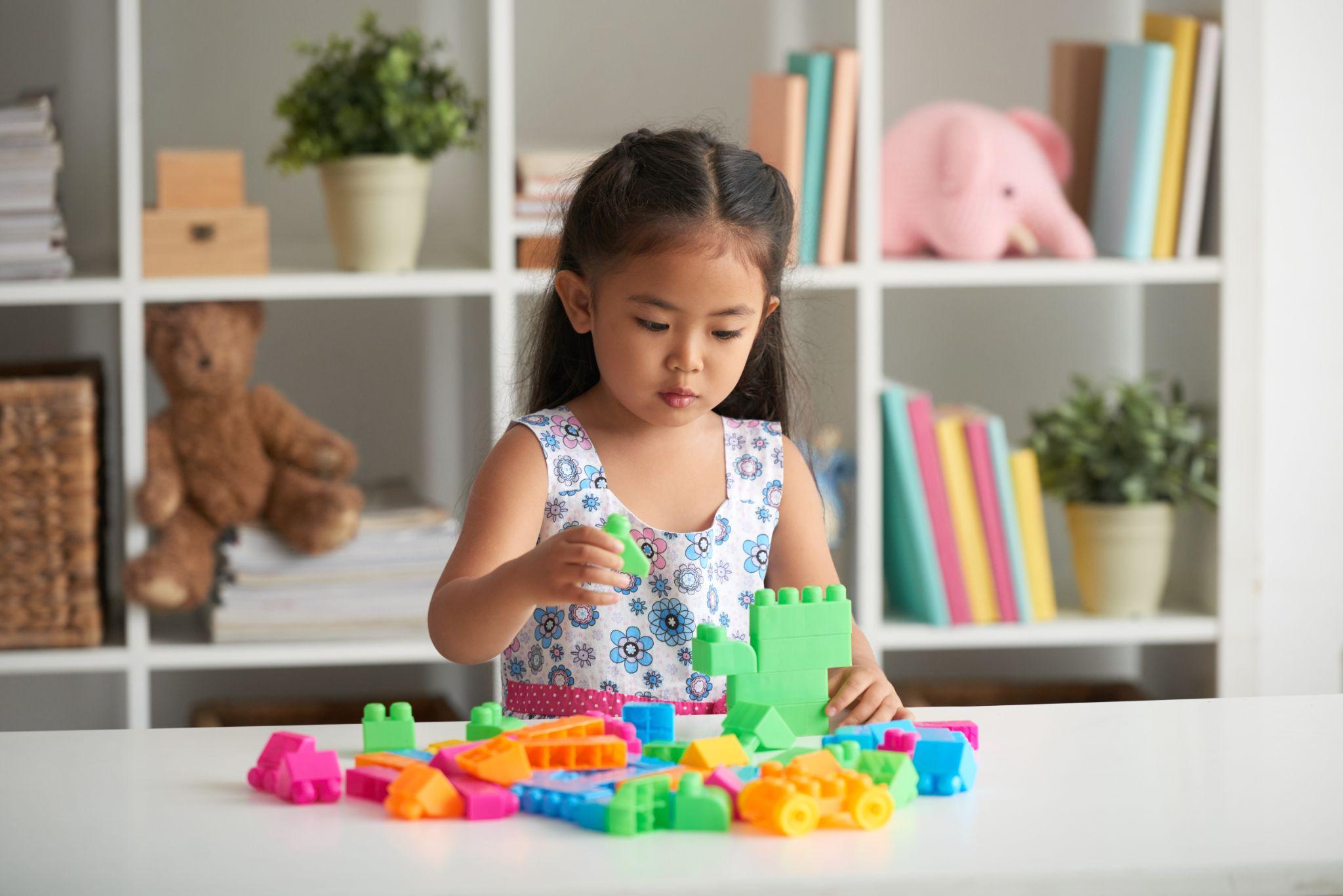 With Piccolo House’s range of storage solutions, you can create organised, accessible, and fun play zones that make tidying up easy for both you and your child.
To further improve organisation, you can consider our thoughtfully designed furniture for kids’ bedrooms. For example, our storage bunk bed provides a practical sleeping area while offering built-in storage for toys, books, and games, maximising space without compromising style.